(Image source from: Newsonair.gov.in)
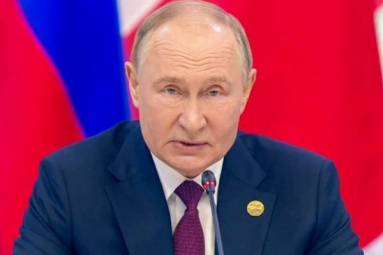
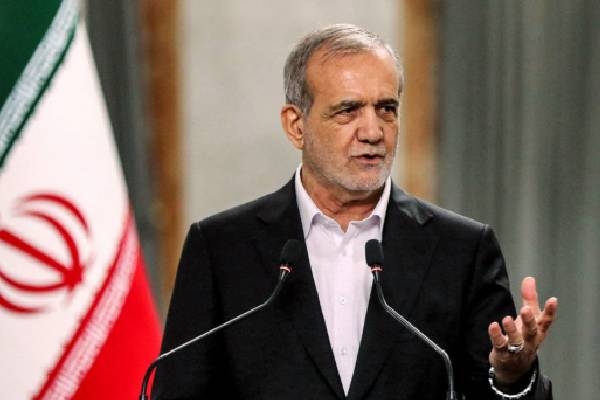
Tehran has specified three conditions for resolving the ongoing dispute between Iran, the United States, and Israel. Presenting the demands, Iranian President Masoud Pezeshkian stated that any agreement needs to acknowledge Iran's rightful demands and ensure that the nation will not experience future attacks. In a message on the social media site X, Pezeshkian also insisted that Iran should receive compensation for damages caused by the conflict. "During my talks with the leaders of Russia and Pakistan, I reaffirmed Iran's dedication to peace in the area. The only way to stop this war--started by the Zionist government and the US--is to acknowledge Iran's rightful claims, provide reparations, and secure strong international guarantees against future attacks," he expressed. The Iranian President's proposal for a ceasefire followed statements by Abolfazl Shekarchi, who represents Iran's armed forces, that no port, economic center, or place in the Persian Gulf would be safe if the US were to strike Iranian port sites.
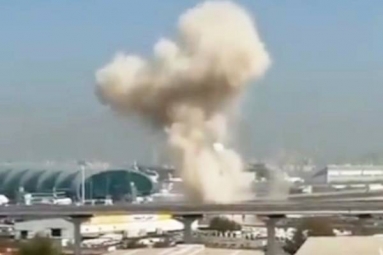
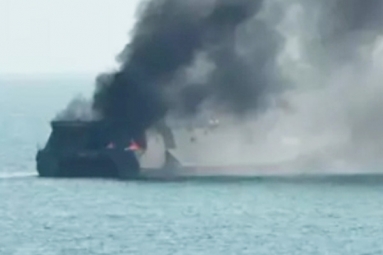
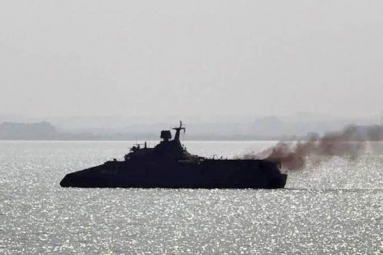
"If our ports and docks face threats, then all ports and docks in the area will be our legitimate targets," said armed forces spokesperson Abolfazl Shekarchi, as reported by state television. He cautioned that the military would "conduct a much stronger operation than what we have done so far" if Iranian ports were attacked. "We urge the countries in the region to remove the Americans from their territories," he noted. A report from the news organization Reuters indicated that Israeli officials in private conversations admitted that there is no guarantee that the war against Iran will result in the downfall of its clerical leadership, with no signs of an Iranian revolt during the bombardment. However, despite comments from US President Donald Trump suggesting the war may end soon, Israel believes that Washington is not preparing to conclude the conflict, the agency reported, citing two Israeli officials.
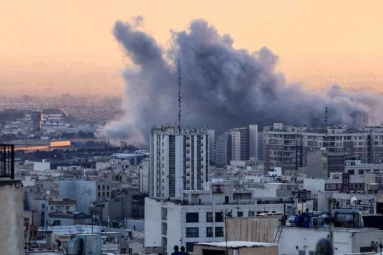
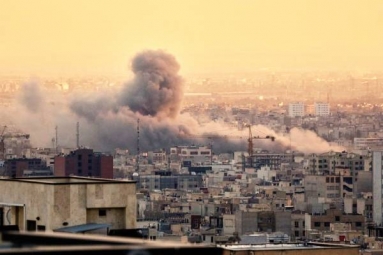
The heavy bombing by the US and Israel has resulted in the death of Iran's supreme leader, Ayatollah Ali Khamenei, along with several top military leaders, but it has also caused civilian casualties and destroyed homes and public infrastructure, causing anger among many Iranians. With missiles hitting Tehran and other cities, and Iranian authorities threatening deadly response to any protests, citizens who might consider taking to the streets may hesitate until the war concludes. Nonetheless, Iran is facing increasingly severe long-term problems, with stricter sanctions crippling the economy and little hope for improvement for a population whose protests in January resulted in thousands of deaths.